When people talk about the future, the conversation often focuses on the challenges humanity still faces. Climate change, artificial intelligence, economic uncertainty, and geopolitical conflicts dominate headlines and social media discussions. Yet there is another side to the story that receives far less attention: the enormous problems humanity has already solved.
A recent online discussion asked a fascinating question: What is a problem humanity solved so well that younger people don’t even realize it used to be a huge issue? The responses revealed a remarkable truth. Many of the conveniences, protections, and technologies we take for granted today were once life-changing breakthroughs that dramatically improved human life.
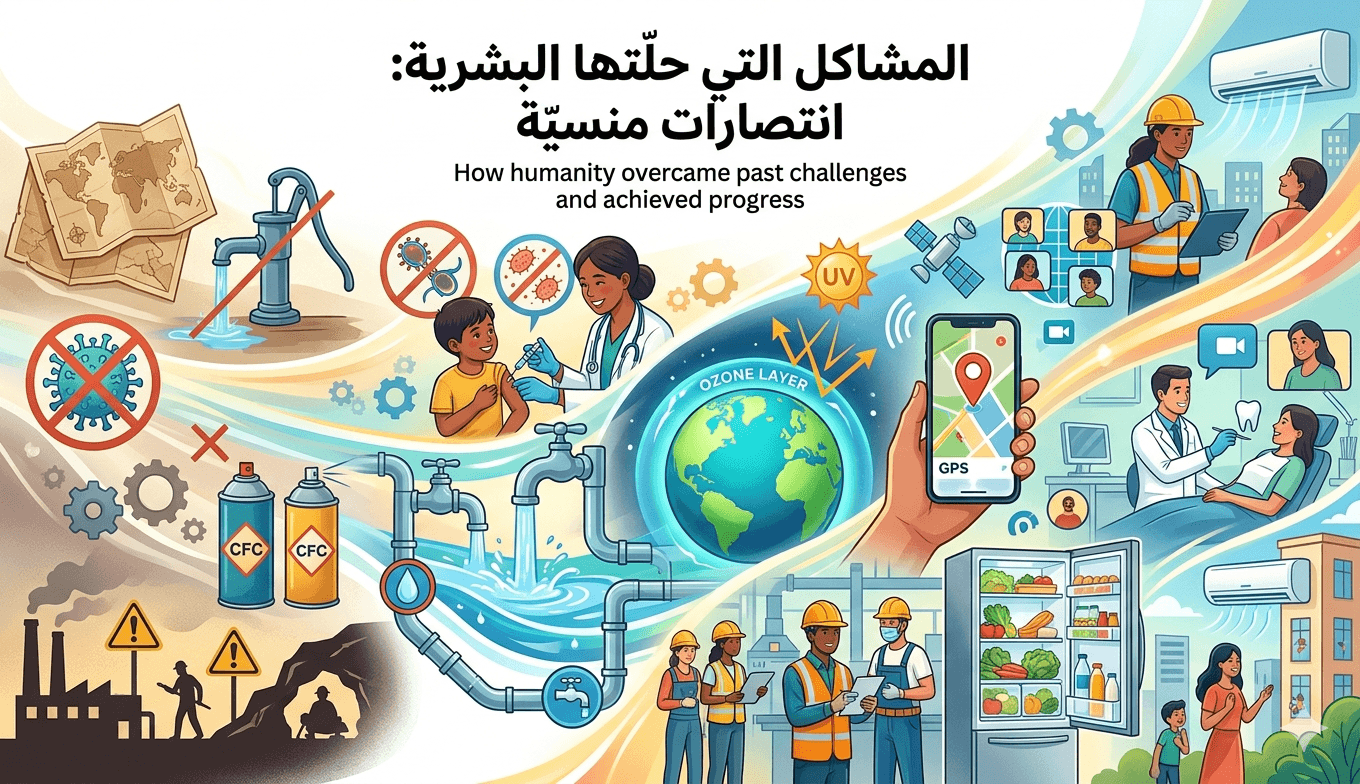
From deadly diseases to unsafe drinking water, humanity has quietly overcome countless obstacles that shaped the lives of previous generations. Here are some of the most important examples.
The Fight Against Deadly Diseases
One of the most common answers was simple: vaccines. Today, many young people have never witnessed the devastation caused by diseases such as polio, smallpox, or measles. For earlier generations, however, these illnesses were among the most feared threats to childhood. Families lived with the constant risk that a child could become permanently disabled or die from infections that are now preventable.
Vaccination programs transformed public health on a global scale. As diseases became rare, many people forgot how common and terrifying they once were. Ironically, vaccines became victims of their own success because younger generations often have little direct experience with the illnesses they prevent.
Polio: A Disease That Changed Everyday Life
Among all the examples mentioned, polio appeared repeatedly. Before vaccines, parents worried about children visiting public swimming pools because polio outbreaks could spread rapidly. Entire communities altered their routines during periods of heightened concern. Some survivors lived with lifelong disabilities, while others experienced severe health complications decades after recovering.
Today, most people rarely think about polio. In many parts of the world, younger generations have never encountered a single case. This dramatic shift illustrates how thoroughly a major public health threat can disappear from everyday consciousness once it is controlled.
Clean Drinking Water
Few modern conveniences are as important as clean water.
For much of human history, contaminated water was responsible for disease outbreaks, widespread illness, and premature death. Access to safe drinking water was never guaranteed, and many communities regularly experienced waterborne infections.
Modern water treatment systems, sanitation infrastructure, and public health regulations have significantly reduced these risks in developed countries. While access to clean water remains a challenge in some regions of the world, millions of people now enjoy a level of safety that previous generations could scarcely imagine.
Indoor Plumbing and Sanitation
Closely connected to clean water is the development of modern sanitation.
Today, flushing a toilet or washing your hands with running water seems ordinary. Yet proper sewage systems and wastewater management are relatively recent achievements in human history. Before these systems became widespread, diseases such as cholera devastated populations and contributed to high mortality rates.
Public sanitation projects are among the most successful health interventions ever implemented, saving countless lives while becoming virtually invisible to those who benefit from them every day.
“Read Also: How Do Americans Feel About Giving Iran $300 Billion? Public Reactions Explained“
The Recovery of the Ozone Layer
Environmental success stories are often overlooked, and the ozone layer is one of the best examples.
During the late twentieth century, scientists warned that chemicals known as chlorofluorocarbons (CFCs) were damaging Earth’s protective ozone layer. Public concern grew rapidly as the ozone hole expanded. Governments eventually coordinated international action, restricting harmful chemicals and implementing environmental protections.
Today, many younger people are unaware that the ozone crisis was once considered one of humanity’s most urgent environmental threats. The reason is simple: coordinated global action worked.
Refrigeration Changed Daily Life
Modern refrigeration transformed food storage, food safety, and nutrition.
Before refrigerators became common, keeping food fresh was a constant challenge. Families relied on preservation methods such as salting, smoking, drying, or frequent shopping trips. Many foods spoiled quickly, increasing waste and limiting dietary options.
The refrigerator quietly revolutionized everyday life. It improved food safety, expanded access to fresh produce, and changed how households manage meals. Today, it is difficult to imagine life without it.
Navigation and Getting Lost
Younger generations may never understand how stressful travel could be before GPS technology.
Drivers once relied on paper maps, written directions, road signs, and local knowledge. Missing a turn could result in hours of confusion, especially in unfamiliar areas. Finding your way often required stopping to ask strangers for directions or locating a pay phone.
Modern navigation apps have nearly eliminated this problem. Real-time directions, traffic updates, and automatic rerouting have made getting lost far less common than it once was.
Communication Across Long Distances
Instant communication is another achievement people rarely appreciate.
Not long ago, maintaining contact with distant friends or relatives required writing letters and waiting days or even weeks for responses. International communication was expensive and often unreliable.
Today, video calls, messaging apps, and social media allow people on opposite sides of the planet to communicate instantly. What once felt extraordinary has become completely normal.
Safer Workplaces
Workplace safety regulations have dramatically improved working conditions.
Historically, dangerous occupations often resulted in severe injuries or death. Construction projects, factories, mines, and industrial facilities exposed workers to risks that would be unacceptable by modern standards.
Protective equipment, safety standards, inspections, and labor regulations have significantly reduced workplace fatalities in many industries. Because these protections are now expected, people often forget how hazardous work environments once were.
Better Dental Care
Modern dentistry is another example of progress hidden in plain sight.
A severe tooth infection was once capable of causing serious illness or death. Dental pain could become a life-altering condition with few effective treatment options. Today, routine dental care, antibiotics, and advanced procedures make such outcomes far less common.
Most people view dental appointments as an inconvenience rather than a life-saving service, which demonstrates just how successful modern dentistry has become.
Air Conditioning and Climate Control
Millions of people now live comfortably in regions that would have been far more difficult to inhabit before modern climate control systems.
Air conditioning transformed daily life in hot climates, improving productivity, health, and comfort. Cities in extremely warm regions experienced significant growth partly because air conditioning made year-round living more practical.
Like many technological achievements, it became so common that people rarely stop to consider its impact.
Why We Forget Humanity’s Greatest Achievements
There is a fascinating psychological reason why these successes are often overlooked.
When a problem disappears, society gradually stops talking about it. New generations grow up without experiencing the original challenge, making it difficult to appreciate how transformative the solution truly was.
People naturally focus on current problems rather than past victories. Yet many aspects of modern life—including clean water, disease prevention, refrigeration, sanitation, communication, and navigation—represent some of the greatest achievements in human history.
Problems Humanity Solved: Conclusion
The question of which problems humanity solved so well that we barely remember them offers an important reminder: progress often becomes invisible once it succeeds.
From vaccines and clean water to refrigeration, sanitation, GPS navigation, and workplace safety, many of the conveniences we enjoy today were once revolutionary breakthroughs. These achievements demonstrate humanity’s remarkable ability to identify problems, innovate solutions, and improve life for future generations.
While modern society still faces serious challenges, looking back at these victories provides a valuable perspective. The same species that eradicated diseases, improved public health, repaired environmental damage, and connected the world through technology may be more capable of solving today’s problems than we sometimes believe.