Palladium Hunting Guide: How to Identify, Find, and Profit From Earth’s Rarest Precious Metal

Palladium hunting is quickly becoming the smart alternative to traditional gold prospecting. While most treasure hunters focus on gold, a far rarer and often more valuable metal is hiding in plain sight—palladium.
This metallic element can sell for more per ounce than gold, yet it remains overlooked because it doesn’t look the way people expect precious metals to look.
This comprehensive guide reveals how palladium forms, why it’s so valuable, how to identify it in the field, the best countries and geological environments to search in, and the exact tools and methods used by successful hunters. If you’re serious about upgrading your metal and gemstone hunting strategy, understanding palladium could completely change your approach.
Why Palladium Is More Valuable Than Gold
The value of palladium is driven by three powerful factors:
Extreme Rarity
Palladium is about 30 times rarer than gold in Earth’s crust. Unlike gold, which is found on nearly every continent, palladium deposits are concentrated in only a few geological regions.
Massive Industrial Demand
More than 80% of palladium is used in catalytic converters for vehicles. These devices reduce harmful emissions, and with stricter global environmental regulations, demand continues to rise faster than supply.
Limited Global Production
Just two countries—Russia and South Africa—produce over 75% of the world’s palladium. Any disruption in mining or geopolitics can send prices soaring.
Bottom line: When you hunt palladium, you’re not just searching for a precious metal—you’re targeting a strategically critical industrial commodity.
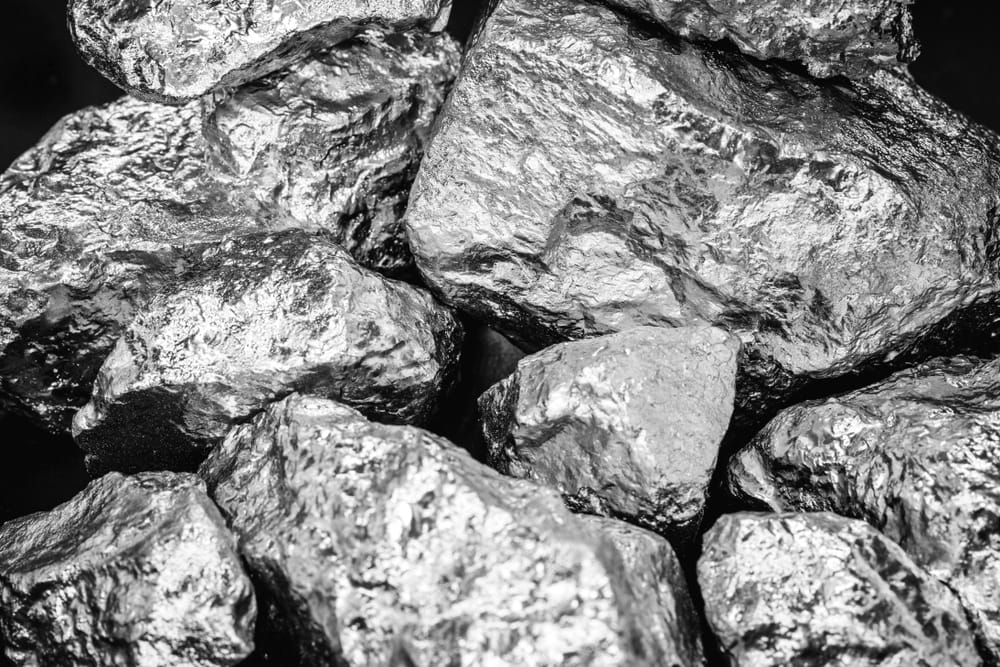
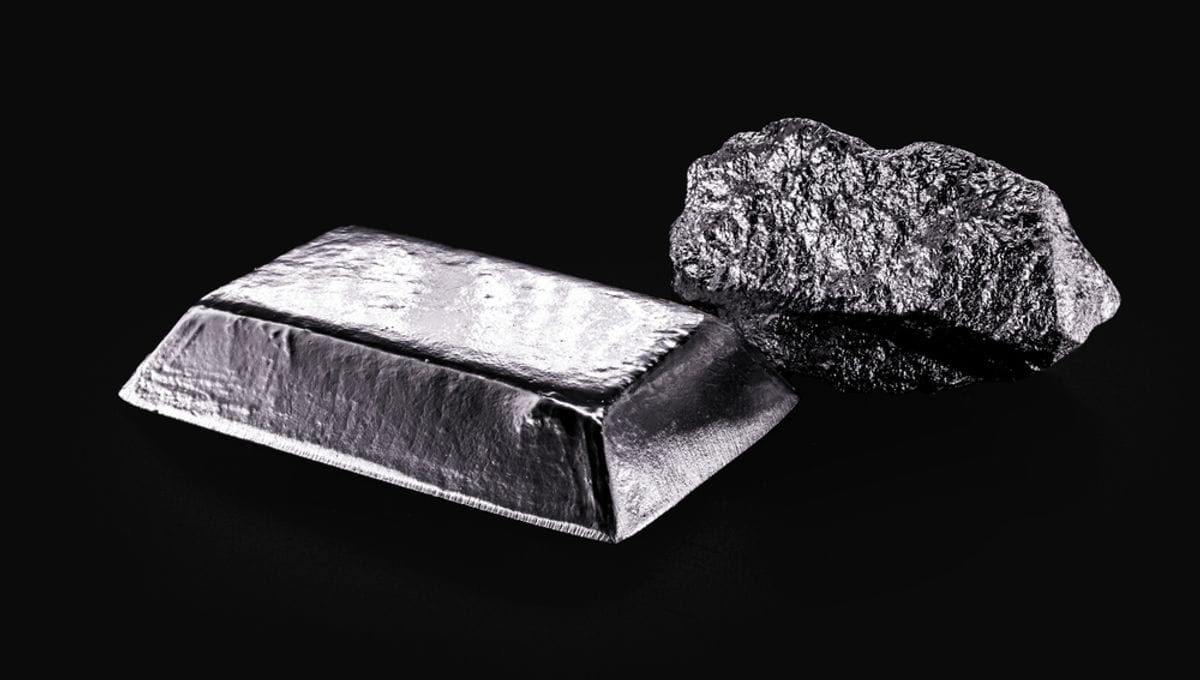
What Does Palladium Look Like in Nature?
One of the biggest mistakes beginners make in palladium hunting is expecting a shiny nugget like gold.
In reality, palladium usually appears as:
Platinum Group Metal (PGM) Alloys
- Dark gray to black metallic grains
- Mixed with platinum, rhodium, and iridium
- Found inside chromite or sulfide ores
Placer Grains (Rare)
- Silvery white
- Flattened and very dense
- Non-magnetic
- Found in river gravels
Copper-Nickel Sulfide Ores
The most common source. These look like:
- Dark metallic rocks
- Brassy tones
- Heavy for their size
Key Visual Indicators
- Steel-gray to silver-white on fresh surfaces
- Metallic luster when scratched
- High density (specific gravity ≈ 12)
- Non-magnetic
How to Identify Palladium in the Field
Accurate identification follows a three-tier system.
Tier 1 – Field Tests
These quick tests help eliminate worthless samples.
Magnet Test
Palladium is non-magnetic. If it sticks, it’s not palladium.
Density Test
Use a portable scale and water displacement method.
A result near 12 specific gravity is promising.
Streak Test
Leaves a steel-gray streak on unglazed porcelain.
Tier 2 – Chemical Spot Test
A palladium test acid kit ($30–$50) produces a red-orange reaction on genuine material.
Tier 3 – Professional Assay
For confirmation:
- XRF analysis ($50–$150)
- Fire assay ($150–$300)
Never skip the testing sequence.
Essential Tools for Palladium Hunting (Realistic Budget)
Beginner Kit ($150 – $300)
- Geology hammer
- Neodymium magnet
- Digital pocket scale
- Graduated cylinder or glass vial
- Palladium acid test kit
- 10× hand lens
- Sample bags and labels
- Field notebook
You don’t need expensive equipment—just the right tools used correctly.
Geological Signs That Indicate Palladium Deposits
Successful palladium hunting is about reading the landscape.
Ultramafic Rocks
Look for:
- Peridotite
- Dunite
- Serpentinite
These form in the same deep environments as PGMs.
Chromite Layers
Black metallic bands in cliffs or road cuts are major indicators.
Copper-Nickel Sulfide Deposits
Often show:
- Green or blue oxidation
- Brassy metallic rock
Heavy Mineral Stream Concentrations
Black sand in river bends can contain PGM grains.
Gossans (Rusty Caps)
Surface rust zones signal oxidized sulfide deposits below.
Old Mine Tailings
Historic mines often discarded palladium-bearing material.
“Read Also: Uncommon Places to Find Gold: 3 Overlooked Prospecting Spots That Pay“
Top Countries Where Palladium Is Found
South Africa – Bushveld Complex
Holds over 60% of global PGM resources.
Russia – Norilsk Region
Produces roughly 40% of the world’s palladium.
Canada – Sudbury Basin
Major palladium by-product from nickel mining.
United States – Stillwater Complex (Montana)
The only significant U.S. source.
Zimbabwe – Great Dyke
Second-largest PGM resource in Africa.
Emerging Regions
- Finland
- Australia
- Brazil
Overlooked Places to Search for Palladium
Smart hunters go beyond active mines:
- Stream gravels below ultramafic zones
- Abandoned nickel or copper mine tailings
- Road cuts through layered intrusions
- Industrial scrapyards (catalytic converters)
- Meteorite impact sites
- Glacial deposits
Step-by-Step Palladium Field Extraction Process
Survey and Document
Record GPS, geology, and photos.
Collect Representative Samples
Focus on:
- Chromite bands
- Sulfide zones
- Heavy stream concentrates
Run Field Tests On-Site
Avoid carrying useless material.
Concentrate Placer Material
Use a gold pan to isolate heavy minerals.
Perform Chemical Testing
Test only the most promising samples.
Send for Lab Assay
Request multi-element analysis for PGMs.
Realistic Results From Palladium Hunting
Most finds are small—but meaningful.
- Trace amounts confirm a productive location
- Placer grains prove drainage concentration
- Small-scale mining can generate real income
- Catalytic converter recycling can yield high returns
Consistency and knowledge—not luck—build wealth.
Legal and Safety Considerations
Legal Essentials
- Always verify land access rights
- Get permission for private land
- Research claim status
- Understand export restrictions
Safety Protocols
- Never work alone in remote areas
- Beware of abandoned mine hazards
- Use proper respiratory protection when crushing rock
- Carry emergency communication
The Strategic Advantage of Palladium Hunting
Palladium hunting is not just about finding a rare metal—it’s about targeting a resource that industries and governments compete for. Unlike gold, which has thousands of known deposits, palladium occurs in very specific geological environments. That makes knowledge your most powerful tool.
Palladium Hunting: Conclusion
Palladium hunting offers a unique opportunity for modern prospectors who are willing to think beyond gold. By understanding its geological indicators, mastering field identification techniques, using the right tools, and working within legal boundaries, you can position yourself in one of the most exclusive and potentially profitable areas of metal hunting.
The biggest discoveries rarely come from luck—they come from preparation, patience, and the ability to recognize what others walk past.
If you’re serious about leveling up your prospecting strategy, palladium might be the metal that transforms your entire journey.
Frequently Asked Questions About Palladium Hunting
Is palladium really more valuable than gold?
Yes. Palladium has historically traded at prices equal to or higher than gold due to its rarity and strong industrial demand.
Can palladium be found in rivers like gold?
Rarely, but small placer grains can accumulate in heavy black sand downstream from PGM-rich rocks.
What is the easiest way to identify palladium in the field?
Start with the magnet test, density test, and streak test. Then confirm using a chemical test kit.
Do you need expensive equipment to start palladium hunting?
No. A basic field kit costing $150–$300 is enough for beginners.
Is collecting palladium legal everywhere?
No. Laws vary by country and land ownership. Always verify access rights and mining regulations before collecting.
Ready to move beyond gold and start hunting one of the rarest metals on Earth? The knowledge is now in your hands—what you do with it is your next big discovery.