
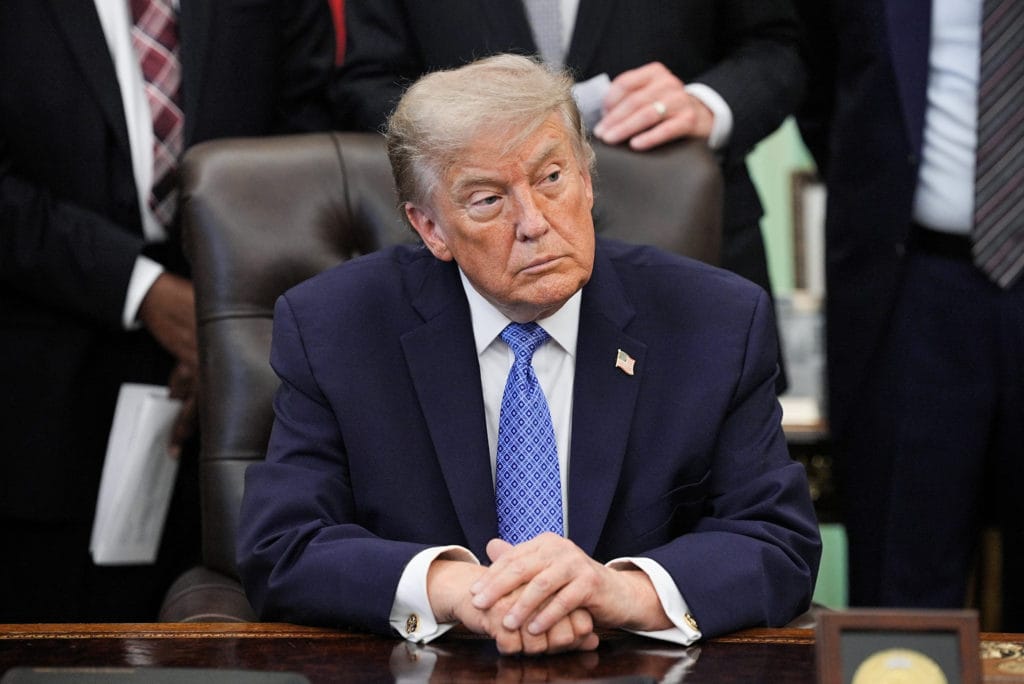
Political approval ratings have long been one of the most closely watched indicators in American politics. Whether a president is popular or unpopular often influences media coverage, legislative momentum, public perception, and even future election outcomes.
Recently, a poll showing President Donald Trump with a 30% approval rating sparked widespread discussion across social media and online communities. The survey, conducted by American Research Group between June 16 and June 20, found that 30% of respondents approved of Trump’s job performance while 66% disapproved. If accurate and representative of broader national sentiment, these numbers would place Trump among the least popular presidents during a comparable period of a presidency.
The poll quickly became the subject of intense debate online, where thousands of people shared their opinions about what the numbers mean, why they may have changed, and what impact they could have on American politics moving forward.
Why Presidential Approval Ratings Matter
Approval ratings are more than just political statistics. They provide a snapshot of how voters feel about a president’s performance at a particular moment. Political strategists, journalists, investors, and policymakers often use polling data to gauge public sentiment and identify emerging trends.
Historically, presidents with low approval ratings have faced greater difficulties passing legislation, maintaining political momentum, and helping their party succeed in midterm elections. Analysts frequently view declining approval numbers as warning signs of broader dissatisfaction among voters.
However, approval ratings are not predictions. They measure public opinion at a specific time and can change significantly depending on economic conditions, international events, and domestic policy decisions.
The Poll That Started the Discussion
The discussion was triggered by a survey indicating that Trump’s approval rating had dropped to 30%. According to reports summarizing the poll, 66% of respondents disapproved of the president’s performance, while only 30% approved. The survey included approximately 1,100 adults and reported a margin of error of roughly three percentage points.
The results attracted attention because they represented one of the weakest approval numbers reported during Trump’s second term.
At the same time, other polling organizations have shown somewhat different results, with some national surveys placing Trump’s approval in the mid-30% range rather than exactly 30%. This highlights an important reality of political polling: different methodologies often produce different outcomes.
The Economic Factor
One of the most common explanations offered by both political observers and participants in online discussions was the economy.
Economic conditions often play a major role in presidential approval ratings. Voters frequently evaluate leaders based on issues such as:
- Inflation
- Housing costs
- Fuel prices
- Grocery prices
- Employment opportunities
- Personal financial stability
Recent polling data suggests that economic concerns remain among the most important issues affecting voter attitudes toward the administration. Many Americans continue to express frustration about the cost of living and affordability challenges.
Historically, presidents tend to receive higher approval ratings during periods of economic optimism and lower ratings during periods of financial uncertainty.
Foreign Policy and Public Opinion
Another factor influencing public perception is foreign policy. Trump’s second term has included several high-profile international developments, including military actions and tensions involving Iran. Public reaction to these decisions has been mixed, with some polls indicating limited support for certain foreign policy initiatives.
Foreign policy decisions often create political risks because their consequences can be difficult for voters to evaluate immediately. Support may rise or fall depending on how events unfold over time.
For many Americans, international conflicts become especially important when they affect energy prices, economic stability, or national security.
How People Reacted Online
The online discussion surrounding the poll was highly emotional. A large portion of commenters expressed surprise that approval remained as high as 30%. Many participants argued that the number should be lower based on their assessment of the administration’s performance.
Others suggested that a loyal political base continues to support Trump regardless of controversies or policy disagreements.
Some of the most upvoted comments focused less on the poll itself and more on political polarization in the United States. Participants debated why supporters remain loyal, how political identities shape opinions, and whether approval ratings accurately reflect broader public sentiment.
The discussion demonstrated how deeply divided political opinions remain in modern America.
Political Polarization and the “30 Percent”
One theme appeared repeatedly throughout the conversation: the idea that a core segment of voters remains supportive regardless of polling trends.
Political scientists have long noted that modern American politics is increasingly polarized. Party affiliation often influences how people interpret news, economic conditions, and political events. As a result, approval ratings frequently reflect not only policy outcomes but also partisan loyalty.
For some voters, support for a political leader becomes connected to broader ideological beliefs and cultural identity. This can make approval ratings more resistant to short-term events than they were in previous decades.
Why Polls Sometimes Differ
Whenever a major poll receives attention, questions inevitably arise regarding accuracy.
Polling organizations use different methods to collect data, including:
- Telephone interviews
- Online surveys
- Mixed-method approaches
- Different likely-voter models
Because of these differences, approval ratings can vary from one survey to another.
For example, while one poll reported approval at 30%, other national surveys conducted around a similar period placed Trump’s approval several points higher. This does not necessarily mean one survey is correct and another is wrong. Instead, it reflects the inherent uncertainty involved in measuring public opinion.
Political analysts often recommend focusing on polling averages and long-term trends rather than individual surveys.
What Low Approval Ratings Could Mean
Historically, presidents with low approval ratings have often faced political challenges.
Potential consequences may include:
Increased Midterm Election Risks
The president’s party often loses congressional seats when approval ratings decline.
Greater Legislative Resistance
Lawmakers may become less willing to support controversial initiatives if public support weakens.
More Media Scrutiny
Low approval ratings tend to attract increased attention from journalists and political commentators.
Pressure to Change Strategy
Administrations sometimes adjust policy priorities in response to changing public opinion.
However, political outcomes are rarely determined by polling alone. Elections ultimately depend on voter turnout, candidate quality, campaign effectiveness, and future events.
Why Online Discussions Matter
Although online communities do not perfectly represent the entire population, they provide valuable insight into how politically engaged individuals interpret major developments.
Large discussions often reveal recurring concerns, frustrations, and hopes that traditional polling may not fully capture.
In this case, the conversation reflected broader questions about economic conditions, political leadership, voter loyalty, and the future direction of American politics.
Whether participants supported or opposed Trump, the intensity of the discussion highlighted the continued importance of public opinion in shaping political narratives.
Looking Ahead
Approval ratings can change quickly. Economic improvements, policy successes, international developments, or unexpected crises can all influence public sentiment. Political history contains numerous examples of leaders whose popularity shifted dramatically within a relatively short period.
For that reason, a single poll should be viewed as one data point rather than a definitive prediction of future political outcomes.
What matters most is whether broader polling trends continue moving in the same direction over time.
Trump Approval Rating 30 Percent: Conclusion
The report showing Donald Trump’s approval rating at 30% generated significant discussion because it suggested growing dissatisfaction among many Americans. Economic concerns, foreign policy decisions, and broader political polarization all appear to play a role in shaping public opinion.
At the same time, the online reaction revealed another reality of modern politics: even when approval ratings fall, deeply committed supporters and critics often remain firmly entrenched in their views.
Whether future polls show further declines or a recovery in support remains to be seen. What is clear is that presidential approval ratings continue to serve as one of the most closely watched measures of political sentiment in the United States, providing insight into how voters evaluate leadership during a rapidly changing political landscape.