If you’ve ever dreamed of uncovering real gold in a flowing creek, knowing where to find gold in a creek is far more important than luck. Many beginners spend hours digging in the wrong places, washing pan after pan with little to show for their effort. Meanwhile, experienced prospectors walk straight to the most productive zones and start pulling visible flakes within minutes.
Gold is heavy—about 19 times heavier than water—which means it behaves very differently from sand, gravel, and other creek materials. It doesn’t travel far unless the water flow is strong, and when that flow slows down, gold drops quickly and settles in specific natural traps.
In this guide, we’ll break down the three most reliable creek locations for finding gold:
- Inside bends
- Undercut banks
- Bedrock (especially fractured bedrock)
These are not random guesses. They are proven, field-tested spots where gold naturally concentrates. Whether you’re a beginner with your first pan or someone looking to improve your results, understanding these locations will dramatically increase your success.
Understanding How Gold Moves in a Creek
Before choosing your digging spot, you need to understand a simple principle: gold only moves when water moves fast enough to carry it.
When water slows down, gold stops.
That’s why gold collects in predictable areas where the current loses energy. These natural slow zones act like invisible riffles, dropping the heaviest material—black sand, ironstone, magnetite, hematite, and of course, gold.
Another important point: gold doesn’t always sit in just one layer. You may find:
- A rich layer near the surface
- A barren layer underneath
- Another rich layer sitting directly on bedrock
So always test different depths before moving on.
Inside Bends: The First Place to Check for Creek Gold
Why Inside Bends Trap Gold
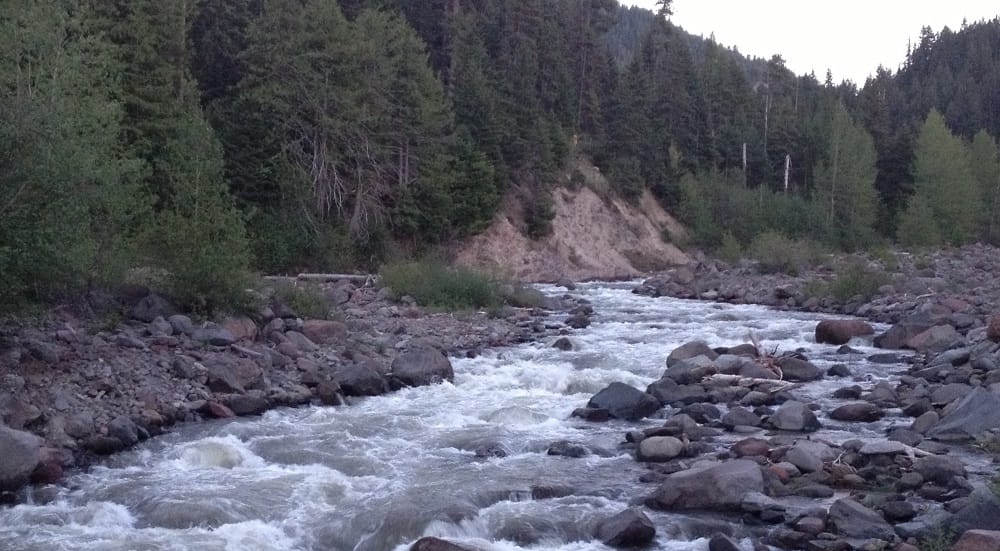
Inside bends are classic gold-catching zones because water slows down as it turns a corner. Just like a car must reduce speed when taking a curve, the current loses energy on the inside of the bend.
When that happens:
- Light materials keep moving
- Heavy materials drop
- Gold settles
This makes inside bends one of the most reliable locations for consistent gold recovery.
How to Work an Inside Bend Properly
Don’t just scoop surface gravel and leave.
Instead:
- Dig down toward compacted gravel or bedrock
- Look for black sand concentrations
- Test multiple layers
Black sand is one of the strongest visual indicators that gold may be present because it behaves exactly like gold in moving water.
A single half-filled pan from the right inside bend can contain dozens of fine flakes. It may not sound like much in dollar value at first, but when you locate a productive bend, the results add up quickly.
Not every inside bend holds gold—but many do. The key is sampling consistently.
“Read Also: Uncommon Places to Find Gold: 3 Overlooked Prospecting Spots That Pay“
Undercut Banks: Hidden Gold Along the Creek Edge
What Creates an Undercut Bank
Undercut banks form when fast-moving water erodes the soil beneath the creek edge. Eventually, the top collapses, leaving grass, roots, and soil hanging over the water.
This erosion process:
- Washes away lighter material
- Leaves heavy material behind
- Drops gold beneath the bank
These areas can hold significantly richer deposits than the center of the creek—especially in gold-bearing streams.
Where to Dig in an Undercut Bank
A common mistake is digging into the bank itself.
The correct spot is:
➡️ Under the bank, where water has already done the work
Look for:
- Sticky, compacted gravel
- Black sand
- Heavier material
If you find even small gold flakes in one section, keep working along the same undercut. Gold concentrations often run in streaks, and the richest pocket may be only a few feet away.
Bedrock: The Ultimate Gold Trap
Why Bedrock Is the Richest Gold Location
If there is one rule in prospecting that never fails, it’s this:
The best gold is almost always on bedrock.
Gold cannot sink through solid rock. Once it reaches bedrock, it stops moving and collects in:
- Cracks
- Crevices
- Micro-fractures
That’s why reaching bedrock can turn an average day into an unforgettable one.
Smooth Bedrock vs. Broken Bedrock
Not all bedrock is equal.
Smooth Bedrock
- Less productive
- Gold sits only in visible cracks
Fractured or Decaying Bedrock
- Extremely productive
- Thousands of micro-traps for gold
- Often untouched by other prospectors
Decaying bedrock acts like a natural sluice box, locking gold in place for years.
If you’re pulling up decomposing bedrock material, chances are high that no one has worked that exact spot before.
“Read Also: Palladium Hunting Guide“
Reading the Signs: Black Sand and Gold Indicators
You may not always see gold in your pan immediately, but you can read the clues.
Strong indicators include:
- High black sand content
- Heavy, compact gravel
- Hard layers above bedrock
The more heavy material in your pan, the better your chances of a rich deposit nearby.
Sampling Strategy: Why One Test Pan Is Never Enough
Even in a good location:
- Gold may sit deeper
- Gold may run in a narrow line
- One pan may miss the pay streak
Successful prospectors test:
- Different depths
- Several points along the same feature
- Multiple nearby features
Persistence is often the difference between finding nothing and finding a productive gold streak.
The Reality of Fine Gold vs. Nuggets
In most alluvial creeks, you’re not hunting large nuggets—you’re chasing fine “flour gold.”
That means:
- Consistent small recoveries
- High-volume processing
- Smart location choice
A rich spot can produce multiple dollars per pan, even with very fine gold.
Why These Three Spots Work Every Time
Inside bends slow the water.
Undercut banks strip away light material.
Bedrock stops gold completely.
Together, they form the natural system that concentrates gold in a creek.
If you only remember one thing from this guide, remember this:
Gold settles where water loses energy and where it can no longer sink.
FAQs About Where to Find Gold in a Creek
1. What is the best place to find gold in a creek for beginners?
Inside bends are the easiest and most beginner-friendly locations because they are easy to identify and often hold consistent fine gold.
2. How deep should I dig when gold panning?
Always test down to compacted gravel or bedrock. Gold frequently sits in the lowest reachable layer.
3. Does black sand always mean gold?
Not always, but it is a strong indicator. Black sand and gold behave similarly in moving water and often collect together.
4. Is bedrock always necessary to find gold?
No, but the richest and most consistent deposits are usually found on or in bedrock cracks and fractures.
5. How do I know if a spot is worth working longer?
If you find even small flakes, continue sampling nearby. Gold often runs in concentrated streaks.
Conclusion: Master These Creek Gold Hotspots
Learning where to find gold in a creek transforms prospecting from random digging into a strategic and rewarding activity.
Focus on:
- Inside bends for consistent deposits
- Undercut banks for hidden concentrations
- Bedrock for the richest pay streaks
Test different layers, watch for black sand, and never rely on a single pan to judge a location.
The most successful prospectors aren’t the ones who work the hardest—they’re the ones who read the creek correctly.
So next time you head out with your gold pan, skip the guesswork and go straight to the spots where gold naturally collects. Your next pan could be the one that makes the whole trip worthwhile.