What Are People Struggling With Right Now? The Challenges Defining Modern Life

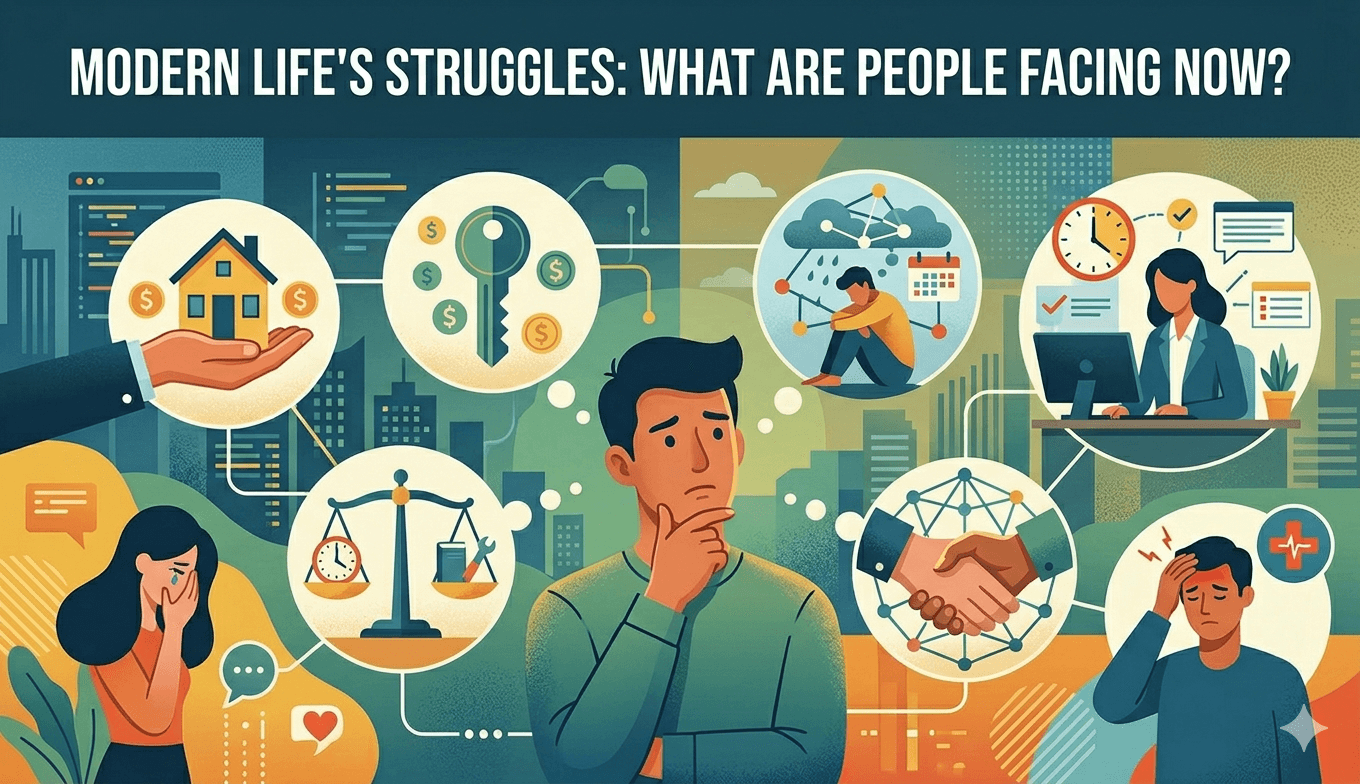
If you ask a group of strangers a simple question—”What is the thing you struggle with the most right now?”—the answers reveal a surprisingly honest picture of modern life.
While people come from different countries, backgrounds, and age groups, many of their challenges are remarkably similar. Some are battling financial stress. Others are dealing with loneliness, anxiety, health issues, family responsibilities, or uncertainty about the future.
A recent online discussion invited people to share the biggest struggle they are facing at this moment. The responses painted a powerful portrait of the realities many individuals face every day. Although the specific details varied, several common themes emerged repeatedly. These themes offer valuable insight into the pressures shaping modern society.
Financial Stress Remains One of the Biggest Challenges
Money continues to be one of the most frequently mentioned sources of stress.
For many people, the rising cost of living has made it increasingly difficult to maintain financial stability. Housing costs, groceries, healthcare expenses, transportation, and unexpected emergencies can quickly overwhelm household budgets.
Even individuals who are employed often report feeling financially insecure. The challenge is not always a lack of income but the growing gap between earnings and expenses.
Financial pressure affects nearly every aspect of life. It can influence mental health, relationships, career decisions, and long-term planning. Many people find themselves postponing major milestones such as buying a home, starting a family, or pursuing additional education because of economic uncertainty.
Mental Health Struggles Are Increasingly Visible
Another recurring theme is mental health.
Many people openly discuss experiences with anxiety, depression, burnout, panic attacks, emotional exhaustion, and chronic stress. Unlike previous generations, today’s adults are often more willing to speak publicly about mental health challenges, which has helped reduce stigma but has also revealed how widespread these issues have become.
Mental health struggles can affect anyone regardless of age, career, income level, or social status.
Common challenges include:
Anxiety About the Future
Many individuals feel uncertain about economic conditions, career opportunities, housing affordability, and global events.
Burnout From Constant Responsibilities
Balancing work, family obligations, financial demands, and personal goals often leaves little time for rest.
Depression and Emotional Fatigue
Some people report feeling disconnected, unmotivated, or overwhelmed despite appearing successful on the surface.
These challenges have become a defining part of modern life for millions of people worldwide.
Loneliness in an Age of Constant Connection
One of the most surprising aspects of modern society is that people can feel deeply lonely despite being more connected than ever.
Social media, messaging apps, and video calls allow instant communication across the globe. Yet many individuals report struggling with meaningful relationships and emotional connection.
Loneliness affects people in different ways:
- Living far from family
- Difficulty forming new friendships
- Relationship problems
- Social isolation
- Remote work environments
- Major life transitions
Research and public discussions increasingly suggest that loneliness has become a significant social issue, particularly among young adults and older populations.
Career Uncertainty and Job Market Concerns
Work-related stress appears repeatedly whenever people discuss their biggest struggles.
Some individuals worry about finding employment, while others feel trapped in jobs that provide financial security but little satisfaction. Many professionals also fear automation, economic downturns, layoffs, or stagnant wages.
Recent graduates often face unique challenges. Despite earning degrees and developing skills, many encounter highly competitive job markets and limited opportunities. Similar concerns are frequently shared by workers seeking career changes later in life.
The result is a growing sense of uncertainty about long-term career stability.
Caring for Aging Parents
One challenge that receives less attention but deeply affects many adults is caregiving.
As parents age, adult children often find themselves balancing multiple responsibilities simultaneously. They may be managing careers, raising children, supporting partners, and caring for elderly family members at the same time.
Many caregivers describe feelings of:
- Emotional exhaustion
- Guilt
- Stress
- Financial strain
- Time pressure
Watching a parent’s health decline can be one of life’s most difficult experiences. The emotional burden is often intensified by practical concerns about healthcare, housing, transportation, and long-term care arrangements.
Health Problems and Chronic Illness
Physical health remains another major source of stress.
Whether dealing with chronic pain, ongoing medical conditions, recovering from surgery, or caring for a loved one with health issues, many people face challenges that affect their daily lives.
Unlike temporary problems, health concerns often create uncertainty because recovery timelines are unpredictable. Medical conditions can also impact employment, finances, relationships, and mental wellbeing.
For some individuals, the struggle is not their own health but concern for a spouse, parent, child, or pet facing medical difficulties. These situations often create significant emotional strain.
The Pressure to Keep Everything Together
One theme that appears across almost every discussion about personal struggles is the feeling of carrying too much at once.
Modern adults are often expected to:
- Maintain successful careers
- Manage finances responsibly
- Stay physically healthy
- Maintain relationships
- Care for family members
- Continue learning new skills
- Plan for retirement
- Stay informed about world events
Individually, each responsibility may be manageable. Combined, they can create a constant sense of pressure.
Many people report feeling as though they are always behind, regardless of how hard they work.
Why So Many People Feel Overwhelmed
There are several reasons modern life can feel overwhelming.
Information Overload
People consume more information in a single day than previous generations often encountered in weeks.
Economic Pressure
Rising costs and financial uncertainty increase stress levels.
Social Comparison
Social media can create unrealistic expectations regarding success, appearance, relationships, and lifestyle.
Constant Availability
Technology allows people to remain connected to work and responsibilities long after business hours end.
Together, these factors contribute to a sense that life is moving faster than many people can comfortably manage.
The Shared Human Experience
One of the most interesting observations from public discussions about personal struggles is how universal many problems are.
Someone struggling with financial difficulties may assume everyone else has life figured out. Someone battling anxiety may believe they are alone in their worries. Someone caring for an aging parent may feel isolated in their responsibilities.
Yet when people share their experiences honestly, common patterns emerge.
Across different countries, professions, and generations, many individuals face similar concerns:
- Financial stress
- Mental health challenges
- Loneliness
- Career uncertainty
- Family responsibilities
- Health concerns
- Fear of the future
Recognizing these shared experiences can provide perspective and reduce feelings of isolation.
“Read Also: Medication Trends Pharmacists Are Worried About in 2026“
What These Struggles Tell Us About Modern Life
The challenges people discuss most often reveal an important truth: modern life is not necessarily becoming easier simply because technology continues to advance.
While humanity has solved countless historical problems, new forms of stress continue to emerge. Financial concerns, emotional wellbeing, relationships, caregiving responsibilities, and personal fulfillment remain central parts of the human experience.
Understanding these struggles helps us better understand ourselves and the society we live in.
“Read Also: Problems Humanity Solved So Well We Barely Remember Them Today“
Conclusion: What Are People Struggling With Right Now
So, what are people struggling with right now?
The answer varies from person to person, but common themes continue to surface. Financial pressure, mental health challenges, loneliness, career uncertainty, health concerns, and family responsibilities dominate many people’s lives.
Although these problems can feel deeply personal, they are often shared by millions of others facing similar circumstances. Recognizing this reality does not eliminate the challenges, but it reminds us that struggle is a universal part of life.
In a world that often highlights success, achievements, and perfect lifestyles, honest conversations about real-life difficulties provide something equally valuable: perspective, connection, and understanding.